Raising Resilient Children in a Sanitized World: What the Science of Immunity Actually Demands
For much of the past century, American parenting culture has operated under a deceptively simple equation: fewer germs equal healthier children. Hospitals reinforced it. Advertising amplified it. Product manufacturers built entire empires upon it. The result is a generation of households equipped with antibacterial surface sprays, antimicrobial toy wipes, and sanitizing station installations near every entryway—all deployed in earnest service of child wellbeing.
Yet a substantial and growing body of immunological research now complicates that equation considerably. The emerging picture is not that cleanliness is irrelevant, but that the degree and indiscriminate nature of modern sanitization practices may be quietly undermining the very biological systems parents are trying to protect.
The Immune System's Unspoken Curriculum
The human immune system does not arrive fully formed. It develops, calibrates, and learns—and it does so primarily through exposure. Early childhood represents a critical window during which the immune system essentially takes inventory of the surrounding environment, distinguishing between pathogens that require a defensive response and harmless microorganisms that can be tolerated.
When that inventory process is repeatedly interrupted by aggressive sanitization, the immune system loses instructional input. Research published in journals including Science and Nature Immunology has consistently demonstrated that children raised in environments with reduced microbial diversity show elevated rates of allergic disease, asthma, eczema, and autoimmune conditions compared to those exposed to richer microbial landscapes.
This is the foundation of what immunologists call the hygiene hypothesis—a framework first formally proposed by British epidemiologist David Strachan in 1989 and substantially refined in the decades since. Its central premise is that the dramatic postwar rise in allergic and autoimmune diseases in industrialized nations correlates directly with the simultaneous decline in routine childhood exposure to microorganisms, parasites, and environmental biodiversity.
The United States, with its particularly aggressive consumer sanitization culture, offers a striking case study. Rates of childhood food allergy have increased by approximately 50 percent since the late 1990s. Pediatric asthma affects roughly one in twelve American children today. These are not coincidental trends.
What 'Clean' Has Come to Mean—and What It Costs
The challenge is not cleanliness itself. It is the cultural conflation of cleanliness with sterility—a standard that is neither achievable in domestic settings nor, it turns out, desirable for developing immune systems.
Consider the routine application of disinfecting sprays to children's toys, high chairs, and play surfaces. Many commercially available household disinfectants are formulated to eliminate 99.9 percent of bacteria on contact. In clinical and food-service contexts, that standard serves a legitimate purpose. Applied to a toddler's play environment multiple times daily, it systematically removes the low-level microbial diversity that the child's immune system requires as training material.
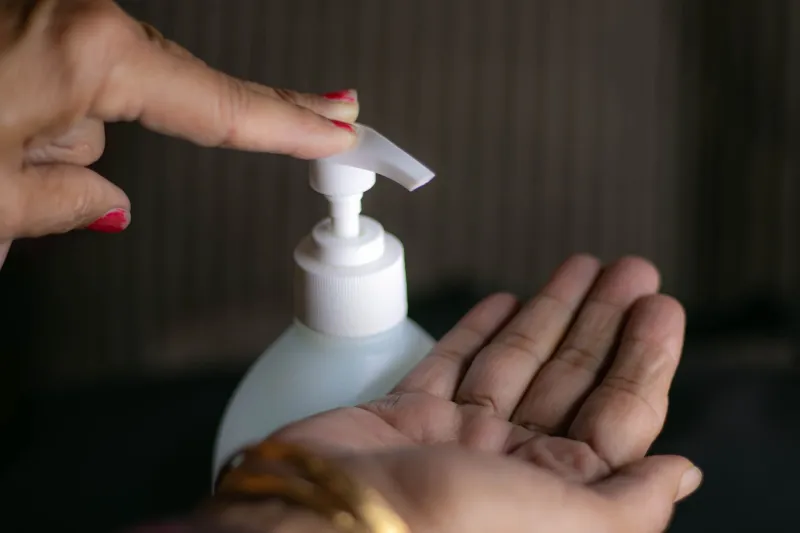
Similarly, the widespread use of antibacterial hand soaps—products containing triclosan or benzalkonium chloride—in household settings goes well beyond what infection prevention requires. The FDA itself concluded in 2016 that antibacterial hand soaps provide no demonstrated benefit over plain soap and water for general consumer use, while raising legitimate concerns about antimicrobial resistance and endocrine disruption. Despite that regulatory determination, reformulated versions of these products remain prevalent in American homes.
The pattern reflects a broader market dynamic: fear-based messaging around childhood illness creates sustained consumer demand for products that offer the appearance of protection, regardless of whether that protection translates into actual health outcomes.
The Microbiome Connection
The hygiene hypothesis has been substantially extended in recent years by microbiome science, which has illuminated just how intimately connected the gut, skin, and respiratory microbiomes are to immune function. Children who grow up in environments with diverse microbial exposure—farms, homes with pets, households that spend significant time outdoors—tend to develop more robust and balanced immune responses than those raised in highly sanitized urban environments.
A landmark study conducted across European farming communities found that children raised on traditional farms, with regular exposure to barn animals and unpasteurized dairy, had dramatically lower rates of asthma and hay fever than their non-farm peers. The protective mechanism appeared to be precisely the microbial richness of the farm environment, which provided the immune system with the diverse input it needed to calibrate appropriately.
This does not mean American families should acquire livestock. It does mean that soil contact, outdoor play, pet ownership, and the ordinary microbiological texture of daily life carry genuine immunological value—value that aggressive household sanitization actively erodes.
Drawing the Right Distinctions
None of this suggests that all hygiene practices are misguided or that genuine infection risks should be minimized. Handwashing before meals, proper food handling, and appropriate sanitation following illness remain sound public health practices with strong evidence behind them. The critical distinction is between targeted hygiene—interventions deployed against specific, demonstrable risks—and reflexive sanitization, applied broadly and continuously as a cultural default.
Handwashing with plain soap and water before eating and after using the restroom remains one of the most effective individual health interventions available. It does not require antibacterial formulations to achieve that effect. Cleaning kitchen surfaces after raw meat preparation is a legitimate food safety measure. Disinfecting a child's building blocks because they were on the floor is not.
Parents navigating this distinction would benefit from a simple orienting question: Is there a specific, identified pathogen risk here, or am I responding to generalized anxiety about contamination? The former warrants a targeted response. The latter, more often than not, warrants restraint.
Practical Reorientation for Conscious Households
For families committed to genuine health outcomes rather than the performance of cleanliness, several evidence-informed adjustments are worth considering.
First, reserve disinfectants for genuinely high-risk situations: surfaces contaminated by raw meat or poultry, areas exposed to a household member's active illness, or contexts involving immunocompromised individuals. General household cleaning—the kind that removes visible dirt and reduces surface soil—does not require antimicrobial chemistry.
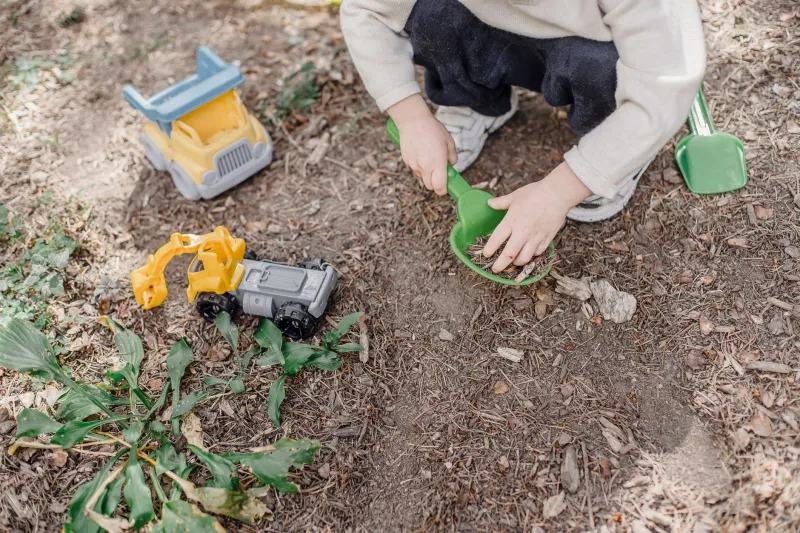
Second, prioritize outdoor time and soil exposure for young children. Contact with garden soil introduces a remarkable diversity of beneficial microorganisms, including Mycobacterium vaccae, a soil bacterium that has been linked in preliminary research to reduced anxiety and improved immune regulation.
Third, reconsider the role of pets. Multiple studies have found that children raised in homes with dogs during their first year of life show reduced rates of allergic sensitization and respiratory illness. The mechanism is, again, microbial diversity—dogs reliably import a wider range of environmental microorganisms into the household.
Finally, resist the marketing pressure that frames every household surface as a potential threat. The consumer sanitization industry has significant financial interest in cultivating parental anxiety. Purity, in the truest sense, does not mean the absence of all microbial life. It means an environment calibrated thoughtfully to support health—and for developing children, that environment includes a meaningful dose of the biological world as it actually exists.
Redefining What Protection Looks Like
At Purity Solutions, our commitment is to cleaner choices grounded in evidence rather than anxiety. The science of childhood immunity asks us to make a genuinely difficult cultural adjustment: to trust that some degree of microbial encounter is not a failure of parental diligence but a biological gift. The goal is not a sterile home. It is a wise one—where hygiene is applied with precision, restraint, and a clear-eyed understanding of what the immune system actually needs to thrive.