Chasing Arrows, Chasing Myths: The Uncomfortable Truth About Plastic Recycling Numbers in America
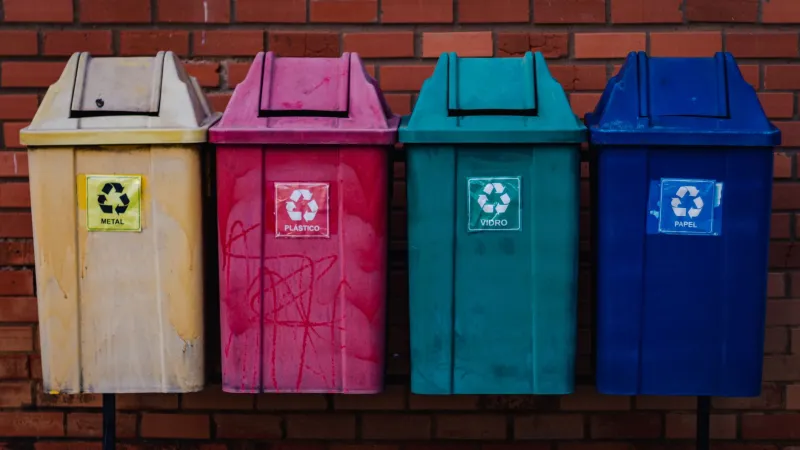
There is perhaps no symbol in modern American consumer life more misunderstood than the triangular arrangement of arrows printed on the base of a plastic container. For most people, those three chasing arrows communicate a single, reassuring message: this item can be recycled. The reality is considerably more complicated — and the gap between perception and practice is costing communities millions of dollars, contaminating recycling streams, and quietly undermining environmental progress.
The numbered codes at the center of those arrows — ranging from 1 through 7 — were never intended to function as recycling instructions. They were introduced in 1988 by what is now the Plastics Industry Association as a resin identification system, designed primarily to help sorting facilities distinguish between plastic types during processing. The recycling symbol itself was borrowed largely for visual convenience. No federal mandate obligates any municipality to accept any particular resin code. What gets recycled in Portland, Oregon bears almost no resemblance to what gets recycled in Portland, Maine.
A Number That Means Something Different Everywhere
When a consumer in Minneapolis dutifully rinses a black plastic takeout container and drops it into the curbside bin, they are almost certainly engaging in what recycling professionals call "wish-cycling" — the well-meaning but ultimately counterproductive practice of placing items in the recycling bin on the hope that someone, somewhere, will find a use for them. Black plastics, typically coded as resin type 6 or made from mixed resins, absorb light in a way that defeats the optical sorting technology used in most modern materials recovery facilities. They are frequently landfilled regardless of the consumer's intentions.
The variation across American municipalities is staggering. Resin codes 1 (PET, found in most beverage bottles) and 2 (HDPE, common in milk jugs and detergent containers) enjoy the broadest acceptance across the country, largely because stable end markets exist for those materials. Codes 3 through 7, however, tell a far more fragmented story. PVC (code 3) is accepted curbside in fewer than 40 percent of US communities. Polystyrene foam (code 6) is rejected by the overwhelming majority of municipal programs, despite the recycling symbol appearing on virtually every foam coffee cup sold in the country. Code 7 — a catch-all category that includes polycarbonate, bioplastics, and multi-layer composites — is accepted almost nowhere at the curb.
The Contamination Crisis Nobody Talks About Enough
The consequences of this confusion extend beyond individual recycling bins. When non-recyclable materials enter the stream in sufficient quantities, they compromise entire loads of otherwise recoverable material. A single greasy pizza box — which many consumers correctly identify as problematic — has become something of a cultural shorthand for recycling contamination. But the problem runs far deeper than food residue.
According to data from the Recycling Partnership, contamination rates in single-stream residential recycling programs — the blue-bin systems that combine all recyclables in one container — routinely exceed 25 percent in many regions. Processing facilities that receive contaminated loads face a difficult calculus: spend additional labor and equipment time sorting the material, or reject the load and send it to landfill. Increasingly, they choose the latter. The 2018 collapse of export markets following China's National Sword policy, which imposed strict contamination limits on imported recyclables, forced this crisis into the open. Many American municipalities quietly began landfilling or incinerating materials they had previously shipped overseas, all while continuing to collect them curbside.
For consumers, the cruelest irony is this: placing a non-recyclable item in the bin does not simply result in that one item being discarded. It can cause an entire truckload of genuinely recyclable material to be rejected.
Why the Symbol Persists Despite the Confusion
One might reasonably ask why the resin identification codes continue to be displayed within a recycling symbol if they do not reliably indicate recyclability. The answer involves a combination of regulatory inertia, industry interest, and the absence of a federal framework capable of standardizing municipal recycling practices.
The United States has no national recycling program. Recycling infrastructure is managed at the municipal or county level, subject to local budget constraints, regional commodity markets, and the particular contracts a given jurisdiction has negotiated with its waste hauler. The result is a patchwork system in which a resident who moves from one city to another must essentially relearn what can and cannot be recycled — a burden that falls disproportionately on renters, immigrants, and households with limited time to research local guidelines.
Efforts to reform the labeling system have gained some traction. The How2Recycle label, developed by GreenBlue and adopted voluntarily by a growing number of consumer goods companies, provides clearer, location-specific guidance by directing consumers to check local program acceptance. Several states, including California and Maine, have enacted extended producer responsibility legislation that shifts recycling costs and responsibilities back toward manufacturers. These are meaningful steps, but they remain partial solutions to a systemic problem.
Practical Guidance for the Conscientious Consumer
Given the structural limitations of the current system, what can an individual consumer do to recycle with genuine effectiveness rather than mere symbolic participation?
The single most important action is to consult your municipality's specific accepted materials list before placing any item in the bin. Most city and county waste management websites publish this information, and several — including those in San Francisco, Seattle, and New York City — offer searchable databases by material type. When in doubt, the default choice should be the trash bin rather than the recycling bin. A clean, correctly sorted load of recyclables is more valuable to the system than a large, contaminated one.
For materials that fall outside curbside programs, alternatives exist. The Earth911 database (earth911.com) allows users to search for drop-off locations by material type and zip code. Many grocery chains operate take-back programs for plastic film and bags — materials that jam sorting machinery and are therefore universally rejected by curbside programs. Terracycle offers mail-in options for a range of hard-to-recycle materials, though these services typically carry a cost.
Perhaps most consequentially, consumers can redirect pressure upstream. Choosing products packaged in verified curbside-recyclable materials — and communicating that preference to retailers and manufacturers — creates market signals that influence packaging decisions. Extended producer responsibility policies, which are actively under consideration in multiple state legislatures, represent the structural intervention most likely to produce durable change.
The Deeper Accountability Gap
At Purity Solutions, we believe that informed consumers deserve systems worthy of their intentions. The current recycling framework asks individuals to navigate a labyrinthine, inconsistent infrastructure while offering them a symbol that implies universal acceptance. That is not a consumer education problem — it is an accountability problem.
The chasing arrows were never designed to carry the weight of environmental reassurance they have come to represent. Until the labeling system is reformed, until producers bear greater responsibility for the end-of-life fate of their packaging, and until federal investment in recycling infrastructure matches the scale of the plastic waste challenge, American consumers will continue to recycle in good faith while the system recycles their confidence into something far less valuable.
Knowledge is the beginning of genuine action. Understanding what those numbers actually mean — and what they do not — is the first step toward participating in a system that works, rather than one that merely appears to.